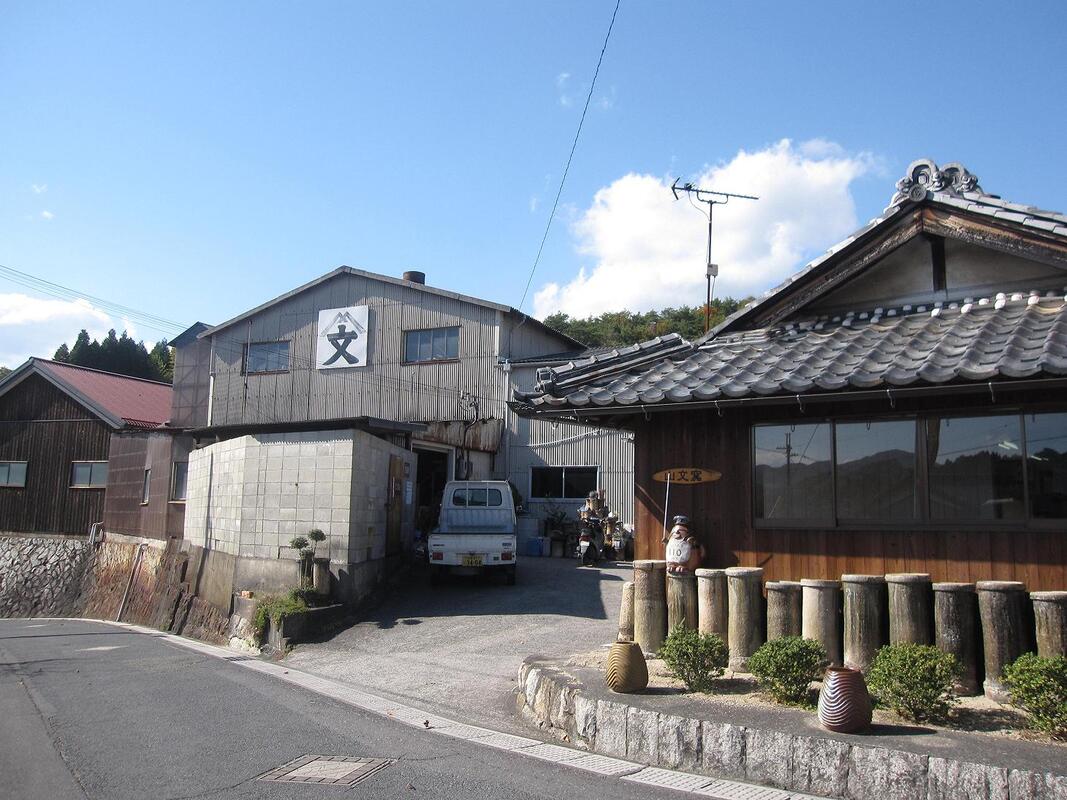
株式会社 山文製陶所
「伝統の技・暮らしに寄り添う焼き物作り」
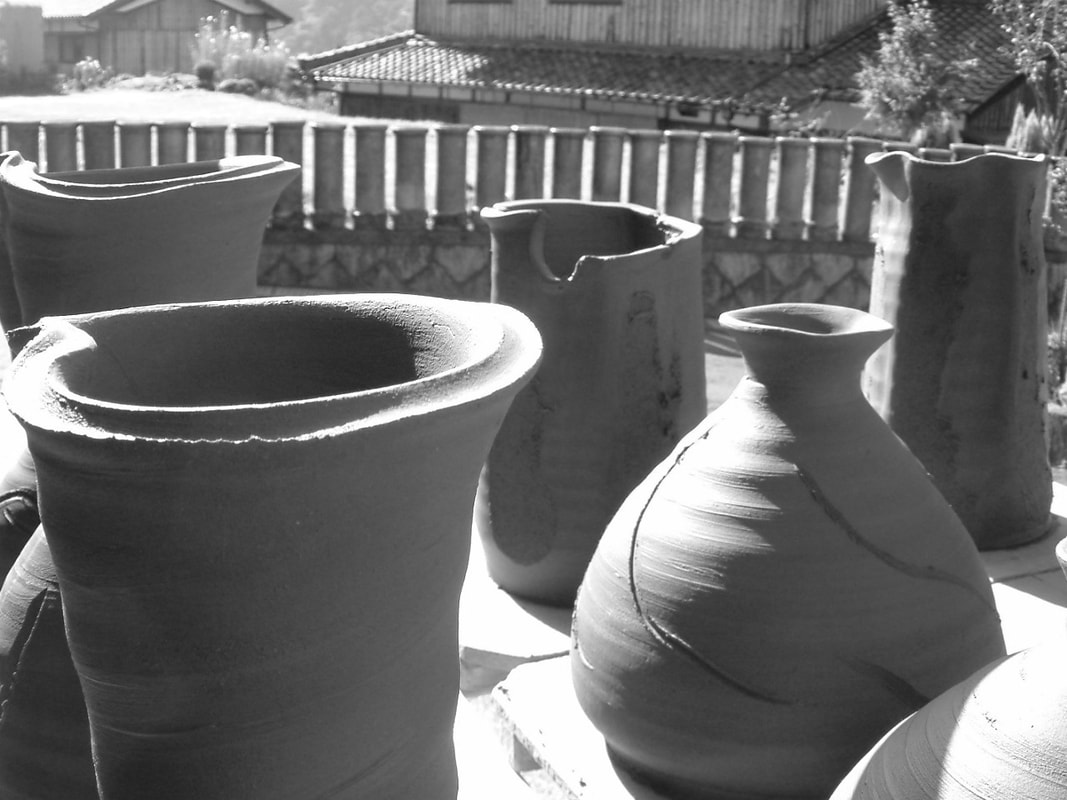
WORK山文製陶所は大型の陶器の制作を得意としています。陶器風呂のような大型の製品から、食器などの一般的なサイズの製品も製作しております。主な成形方法はロクロ成形、石膏型を使用した機械ロクロ成形、板状にした土を使用するタタラ成形などです。
釉薬(色)につきましては、長年の経験を活かし、山文製陶所伝統の海鼠釉やその他信楽の釉薬販売会社と連携をして多種多様な色彩を表現することが可能です。 お客様が求められる物を作り喜んで頂ける事が私達の楽しみです。ご注文は少量から、ある程度の数量の多いご注文まで幅広く承らせて頂いております。 |
|
Yamabun Pottery specializes in the production of large-scale ceramic pieces. We manufacture everything from large items like ceramic bathtubs to more common-sized products such as tableware. Our main shaping methods include wheel throwing, machine wheel throwing using plaster molds, and slab throwing using flattened clay.
Regarding glazes (colors), we leverage our many years of experience to create a wide variety of colors, including Yamabun Pottery's traditional namako glaze and working in collaboration with other Shigaraki glaze suppliers.
Our greatest joy is creating what our customers want and seeing their satisfaction. We accept orders ranging from small quantities to larger orders.
Regarding glazes (colors), we leverage our many years of experience to create a wide variety of colors, including Yamabun Pottery's traditional namako glaze and working in collaboration with other Shigaraki glaze suppliers.
Our greatest joy is creating what our customers want and seeing their satisfaction. We accept orders ranging from small quantities to larger orders.
|
YAMABUN -history明治二十六年 初代 今井文治郎により信楽焼きの窯元として創業致しました。明治時代の主製品である海鼠釉の火鉢などを作り、現在の五代目まで約130年の歴史を積み重ねて参りました。現在では、傘立て、睡蓮鉢、花器、洗面鉢、壺など信楽窯業試験場の協力も頂いて様々な陶器の製造を致しております。今でも初代の頃と変わりなく一品一品大切に作り上げています。
Founded in 1893 by the first generation, Bunjiro Imai, as a Shigaraki ware pottery studio, we have built a history of approximately 130 years, starting with our main product during the Meiji era, the namako glaze hibachi (charcoal brazier). Currently, with the cooperation of the Shigaraki Ceramic Research Institute, we manufacture a variety of ceramic items, including umbrella stands, lotus ponds, vases, washbasins, and jars. Even today, we continue to create each piece with the same care and attention as in the time of our founder.
|
SHIGARAKI -history
信楽焼は、古くから主要都市を結ぶ交通路と良質な陶土に恵まれ発展してきました。中世より壺・瓦などの焼き物づくりが始められ、室町・桃山時代以降には茶道具として茶人を始めとする文化人に親しまれたりもしてきました。江戸時代以降、商業の発展に伴い、日常雑器が大量に作られるようになり、明治時代には、海鼠釉を使った火鉢などの生産で大きな発展を遂げました。昭和に入リ第二次世界大戦による金属不足で陶器の需要が高まり陶器製の地雷などが作られたりもしました。昭和に入ると植木鉢、たぬき、傘立て、タイルなどが作られるようになり現在に至ります。
Shigaraki ware has flourished since ancient times thanks to its convenient transportation routes connecting major cities and its abundance of high-quality clay. Pottery production, including jars and roof tiles, began in the Middle Ages, and from the Muromachi and Momoyama periods onward, it became popular among tea masters and other cultural figures as tea ceremony utensils. From the Edo period onward, with the development of commerce, everyday tableware was mass-produced, and in the Meiji era, it experienced significant growth with the production of items such as hibachi (charcoal braziers) using namako glaze. In the Showa era, the demand for pottery increased due to metal shortages caused by World War II, and ceramic landmines were even produced. In the Showa era, flowerpots, raccoon dog figurines, umbrella stands, and tiles began to be produced, and this continues to the present day.
SCARLET
NHK連続テレビ小説「スカーレット」丸熊陶業のロケ地として使用して頂きました。
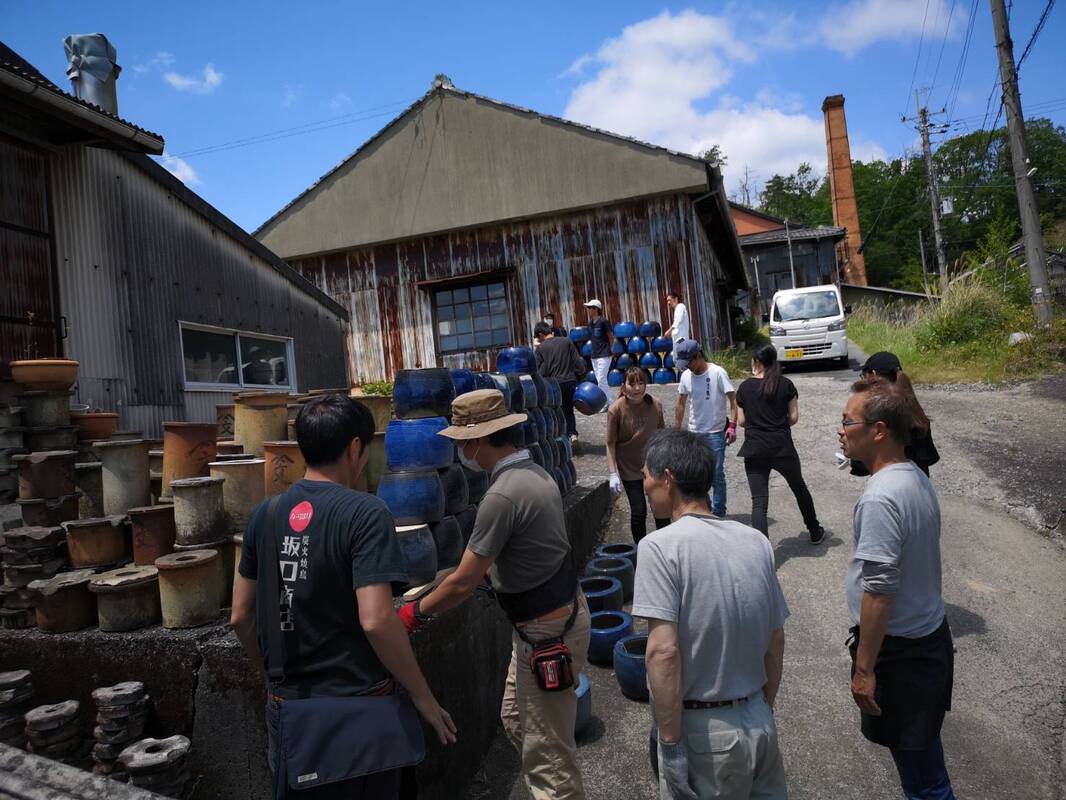
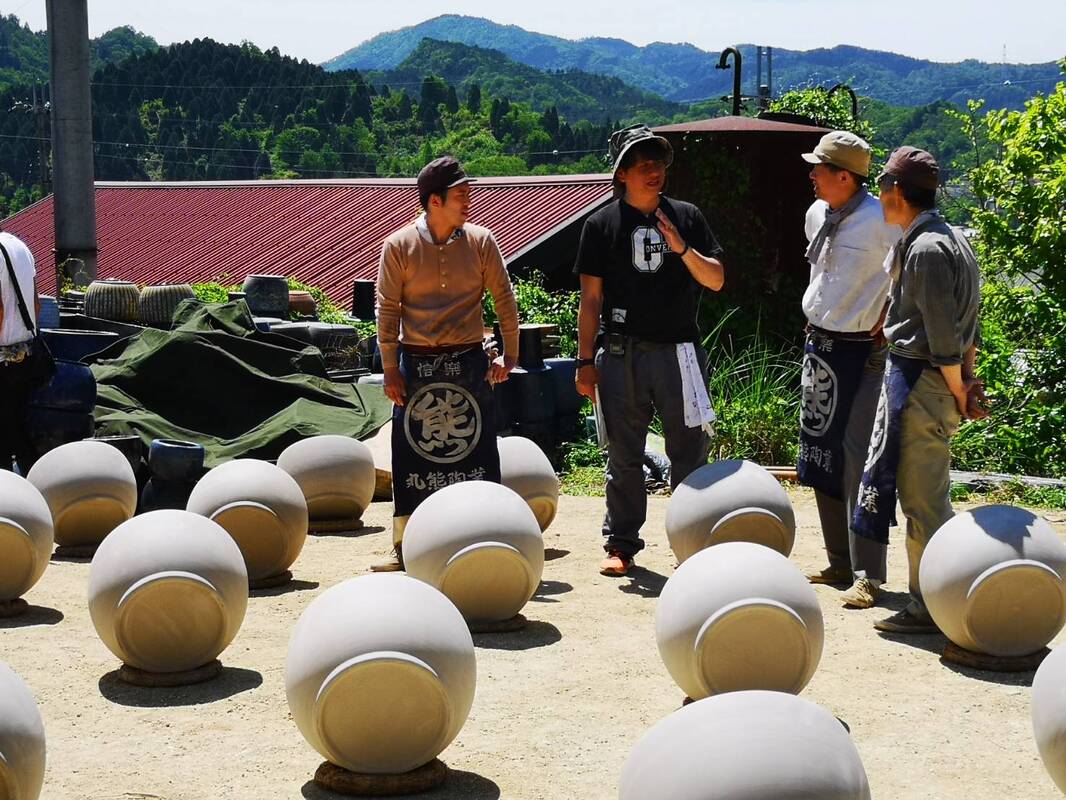
ある日突然、ドラマのロケができる場所を探していると20人ぐらいの方が来られました。なんのドラマだとかそういった説明は一切なかったのですが、イメージされている昔の作業場の写真を見せて頂きました。どこで探してこられたのか分かりませんが、その写真は仕事小屋から外を写した写真で、外には天日に干して乾燥させるためにたくさんの火鉢が並べてありました。その火鉢の向こう側は少し高いところから見下ろしたような景色が映っていました。この写真を見た瞬間この作業小屋から見た外を見た景色とそっくりやなと思いました。それから二週間から1ヶ月程経ったある日、NHKの朝ドラの撮影をここでさせてもらいたいと連絡がありました。何のことやら実感がないうちに、現場の準備作業が撮影の1年ほど前から徐々に始まり、なんかえらいことになってきたと思い始めました。
撮影が始まると戸田恵梨香さんをはじめ、たくさんの俳優さんが丸熊陶業ロケ地まで来て頂き、スタッフさんも毎回100人弱ぐらいは来られるなど、撮影の当日はトラックやバスがどっと押し寄せて、普段は静かな場所が突然お祭りの会場になったような賑やかな感じになり毎回ワクワクさせてもらっていました。ドラマの撮影の最終ぐらいにコロナが始まってしまい、どうなるんかなと心配していたところに無事撮影が終わったことを聞かせて頂きました。丸熊陶業ロケ地での撮影は最初のほうが主でしたが、最後にもまた丸熊陶業周辺でのロケを組んで頂いたり、たいへん貴重な体験をさせて頂きました。
ある日突然、ドラマのロケができる場所を探していると20人ぐらいの方が来られました。なんのドラマだとかそういった説明は一切なかったのですが、イメージされている昔の作業場の写真を見せて頂きました。どこで探してこられたのか分かりませんが、その写真は仕事小屋から外を写した写真で、外には天日に干して乾燥させるためにたくさんの火鉢が並べてありました。その火鉢の向こう側は少し高いところから見下ろしたような景色が映っていました。この写真を見た瞬間この作業小屋から見た外を見た景色とそっくりやなと思いました。それから二週間から1ヶ月程経ったある日、NHKの朝ドラの撮影をここでさせてもらいたいと連絡がありました。何のことやら実感がないうちに、現場の準備作業が撮影の1年ほど前から徐々に始まり、なんかえらいことになってきたと思い始めました。
撮影が始まると戸田恵梨香さんをはじめ、たくさんの俳優さんが丸熊陶業ロケ地まで来て頂き、スタッフさんも毎回100人弱ぐらいは来られるなど、撮影の当日はトラックやバスがどっと押し寄せて、普段は静かな場所が突然お祭りの会場になったような賑やかな感じになり毎回ワクワクさせてもらっていました。ドラマの撮影の最終ぐらいにコロナが始まってしまい、どうなるんかなと心配していたところに無事撮影が終わったことを聞かせて頂きました。丸熊陶業ロケ地での撮影は最初のほうが主でしたが、最後にもまた丸熊陶業周辺でのロケを組んで頂いたり、たいへん貴重な体験をさせて頂きました。
Our workshop was used as a filming location for the NHK serial drama "Scarlet."
One day, about 20 people suddenly showed up, saying they were looking for a location for a drama shoot. They didn't explain what drama it was for, but they showed us a photograph of an old workshop they had in mind. I don't know where they found it, but the photo was taken from inside a workshop, showing many braziers lined up outside for drying in the sun. Beyond the braziers, the view appeared to be from a slightly elevated position. The moment I saw the photo, I thought it was exactly like the view from our workshop. Then, about two weeks to a month later, we received a call saying they wanted to film the NHK morning drama here. Before I could fully grasp what was happening, preparation work on set began gradually about a year before filming, and I started to realize something big was happening.
When filming began, many actors, including Erika Toda, came to the Marukuma Pottery location, and nearly 100 staff members came each time. On the day of filming, trucks and buses would pour in, and the usually quiet place would suddenly become a lively festival venue, which always made me excited. The coronavirus pandemic started towards the end of filming for the drama, and I was worried about what would happen, but then I heard that filming had been completed without incident. Most of the filming at the Marukuma Pottery location was at the beginning, but they also arranged some filming around the Marukuma Pottery area towards the end, which was a very valuable experience for me.
One day, about 20 people suddenly showed up, saying they were looking for a location for a drama shoot. They didn't explain what drama it was for, but they showed us a photograph of an old workshop they had in mind. I don't know where they found it, but the photo was taken from inside a workshop, showing many braziers lined up outside for drying in the sun. Beyond the braziers, the view appeared to be from a slightly elevated position. The moment I saw the photo, I thought it was exactly like the view from our workshop. Then, about two weeks to a month later, we received a call saying they wanted to film the NHK morning drama here. Before I could fully grasp what was happening, preparation work on set began gradually about a year before filming, and I started to realize something big was happening.
When filming began, many actors, including Erika Toda, came to the Marukuma Pottery location, and nearly 100 staff members came each time. On the day of filming, trucks and buses would pour in, and the usually quiet place would suddenly become a lively festival venue, which always made me excited. The coronavirus pandemic started towards the end of filming for the drama, and I was worried about what would happen, but then I heard that filming had been completed without incident. Most of the filming at the Marukuma Pottery location was at the beginning, but they also arranged some filming around the Marukuma Pottery area towards the end, which was a very valuable experience for me.